For more than 20 years, the 11th of July has been a celebration of population growth and highlights important trends and issues relating to the ever increasing growth of world population. It is estimated that the number of people concurrently alive in 1804 was one billion and this figure would not double until more than a century and a quarter later in 1927. It wasn’t until 1987 where the population of the world reached 5 billion for the first time that inspired the Governing Council of the United Nations Development Programme to recommend the Day of 5 Billion 11 July be an event known as World Population Day.
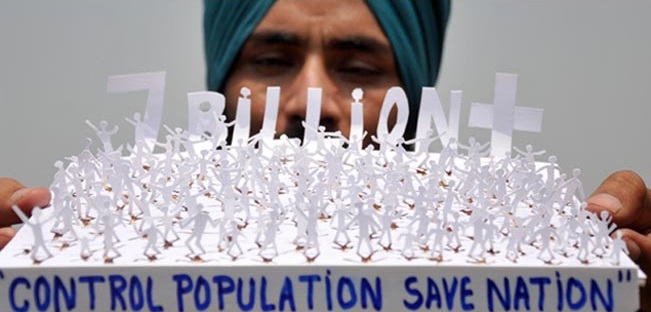
Although world population is a significant milestone to celebrate, World Population Day comes around each year to remind us that the world is finite, the present rate of population growth is unsustainable, it is estimated that by the year 2150 the population may reach 25 billion. It is critical to raise awareness towards the issues and challenges we may face if the rate of growth is not reduced, some of these issues are:
 Lack of access to information or services
Hundreds of millions of women around the world with a majority living in some of the poorest countries who want to avoid pregnancy, lack access to modern contraceptive methods and support services. Access to such services is important in reducing poverty and plays a major role in balancing an unsustainable population growth.
Increase demand for resources
The increasing growth in population puts a severe strain on the amount of resources being consumed, the amount of waste being generated, the rate of renewing resources and the overall balance between the amounts of resource available to sustain a growing population.
Extraction of resources becomes expensive
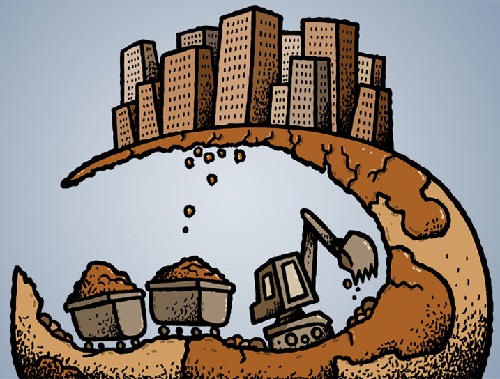
As time passes, the process to extract many types of resources becomes more difficult due to the depletion of a layer that was once easily extracted. As resources such as fossil fuels, uranium and metals become more expensive to extract, anything made using these fuels and metals will inevitably become more expensive.
Wages do no rise as quick
In an economy where population growth is imbalanced, workers’ wages tend to lag behind inflation because the economy produces less. Companies will find it difficult to make profit because consumers cannot afford to spend when prices increase. This leads to a potential drop in production and job cuts.
 Unemployment increases and workers can’t afford as much
When workers can’t afford to spend as much, they tend to have less disposable income. This combined with a high unemployment rate can halt economic growth. More and more will turn to government services for support which means an increase in government pay outs whilst collecting less tax.